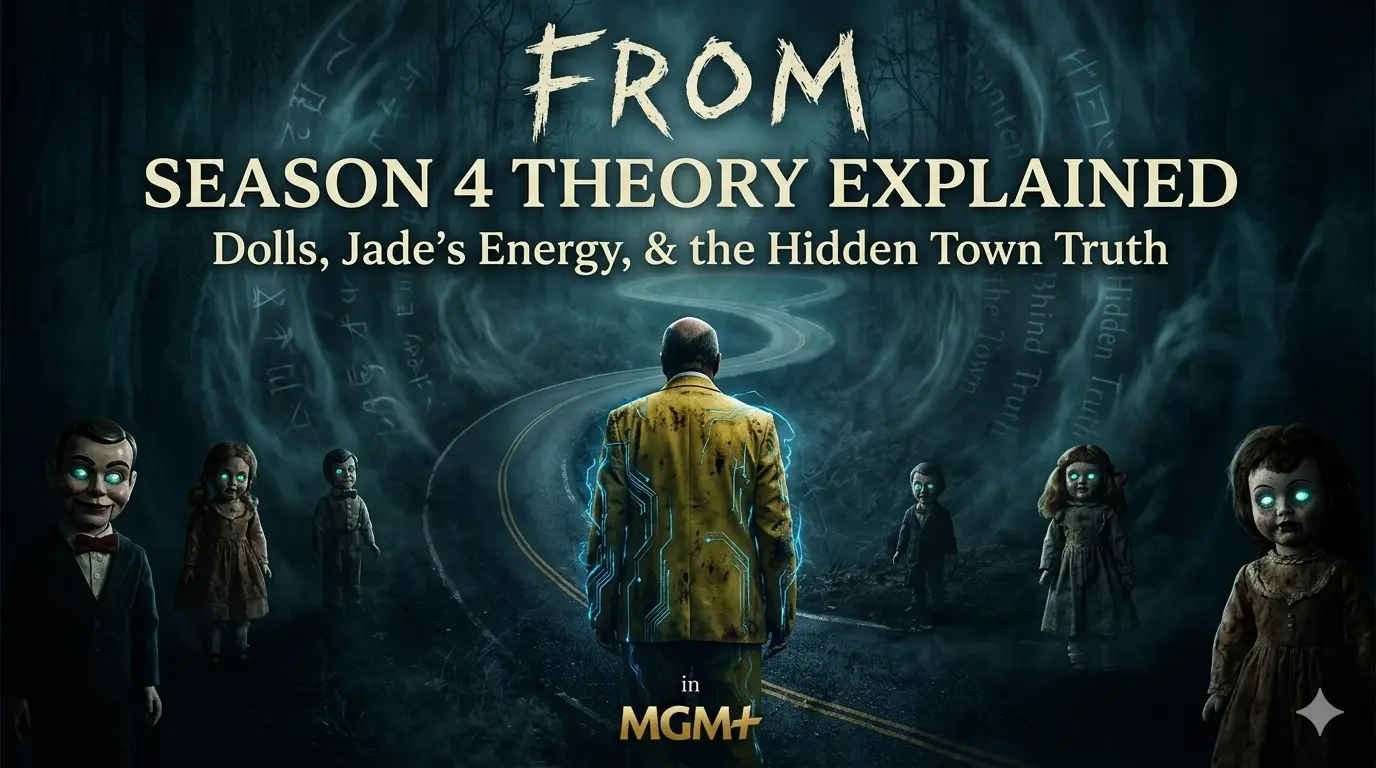
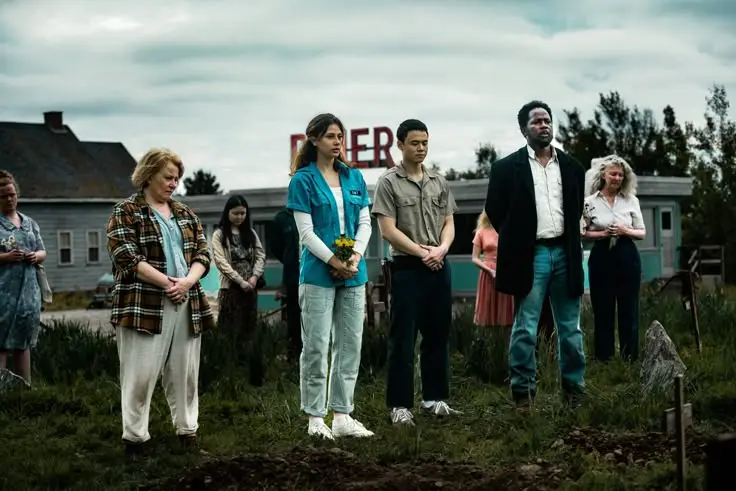
From has always thrived on one thing: making viewers question reality itself. Season 4 pushes that even further with disturbing symbols like the dolls, strange memories, and Jade’s growing obsession with how the town “works.”
This theory connects all of it into one idea: what if the town doesn’t just trap people… but also turns their emotions, trauma, and fear into physical reality?
Main Key Points
- The dolls found in the lake may be linked to past trauma cycles inside the town
- Jade’s “thermodynamics of thought” theory suggests emotions can reshape reality
- Monsters and entities might be manifestations of human fear and memory
- Talismans could represent the opposite force: collective human need for safety
- Certain characters may “trigger” reality changes due to emotional intensity
- The town may function like a mirror that reflects consciousness back into physical form
What the Dolls in From Season 4 Might Really Represent
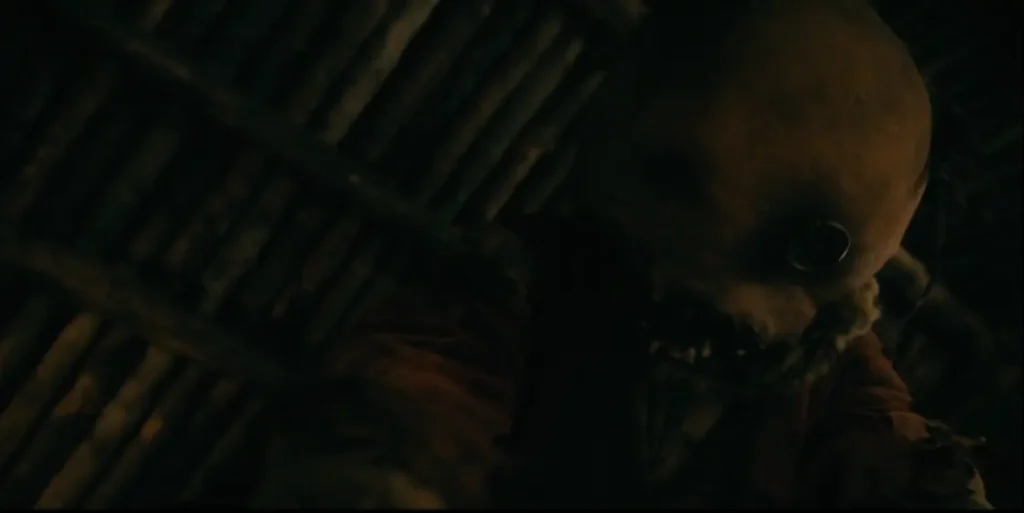
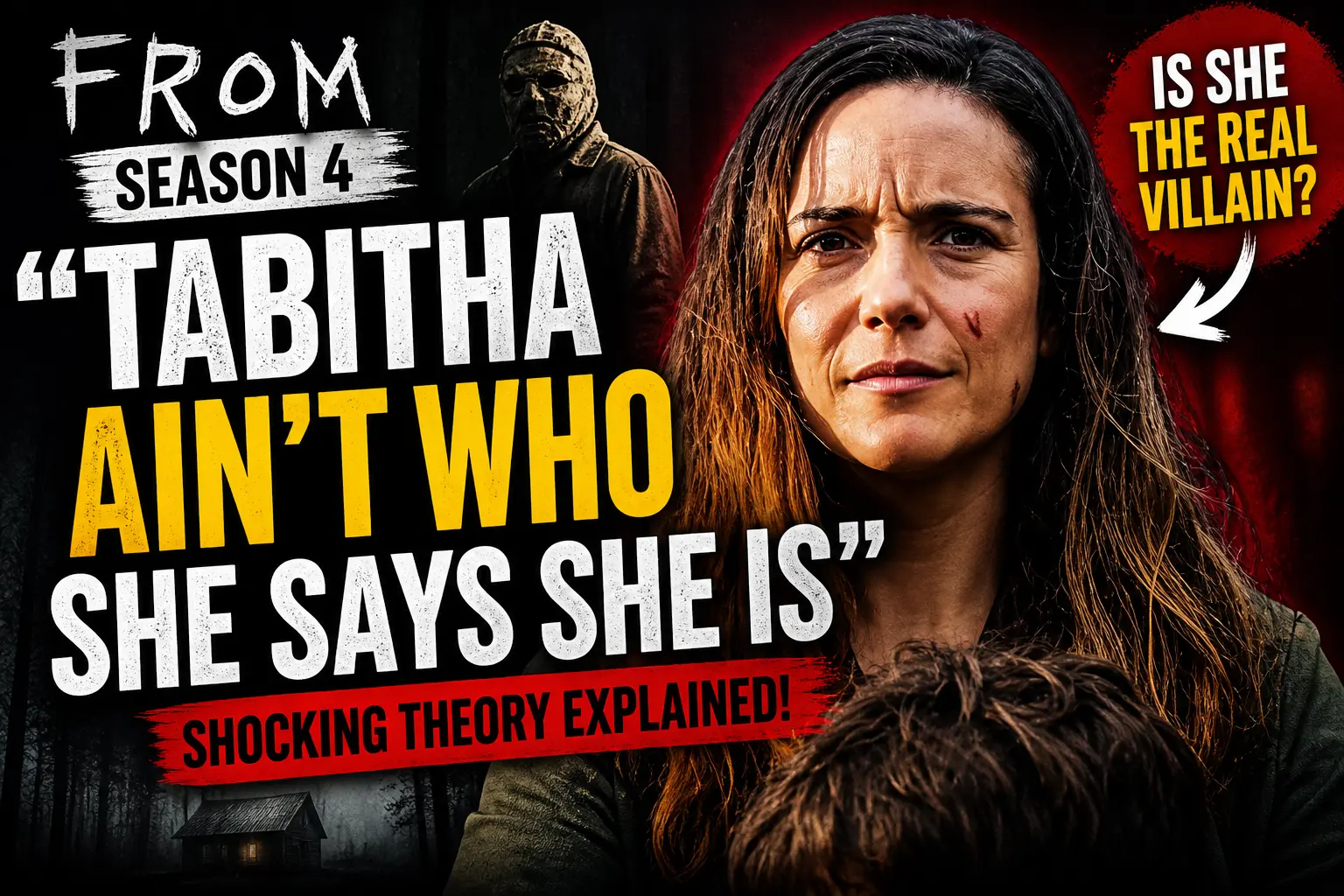
One of the most unsettling moments in Season 4 is the discovery of three dolls in the lake. At first, it feels random just another creepy object in a long list of mysteries but this theory suggests something deeper. The idea is that the dolls are not just objects—they are residual memory artifacts from a previous cycle of the town.
Remember, Tabitha and the group try to re-submerge them by stuffing them with rocks and throwing them back into the water. But instead of “removing” them, the act may actually reactivate something buried.
Later, inside the cabin, strange events begin—especially a haunting song that triggers fragmented memories. Tabitha experiences flashes of a past life where:
- The dolls belonged to her
- An angry man threw them into the lake
- The dolls were tied to fear, nightmares, and rejection
The key idea here is simple: The town doesn’t erase trauma. It stores it and replays it in new forms. So the dolls might represent physical anchors for emotional memory loops inside the town
Jade’s Thermodynamics Theory and the Idea of Emotional Energy
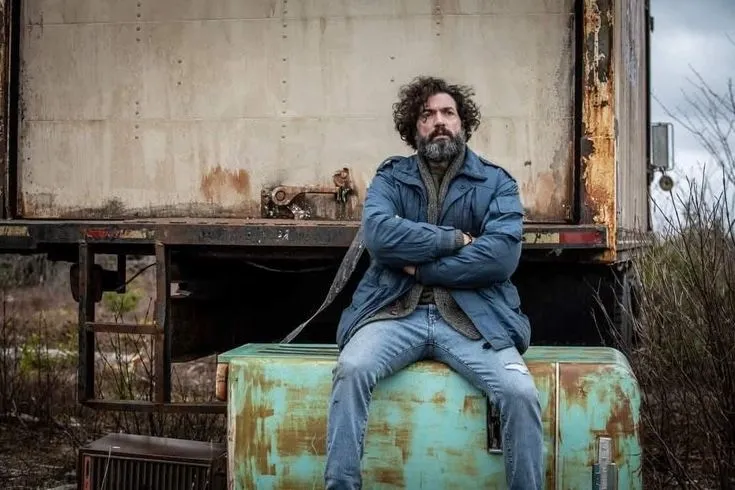
Jade’s explanation of the town is one of the most important parts of this theory. He often compares the system to something like thermodynamics, suggesting that energy in the town cannot disappear—it only changes form.
Now apply that idea to emotions. If fear, trauma, and memory are all forms of “mental energy,” then in a closed system like the town:
- Nothing emotional ever truly disappears
- Everything gets recycled into new patterns
- Thoughts can slowly become physical structures
This could explain why the town behaves so irrationally:
- Lights work without visible wiring
- Strange symbols appear without explanation
- Reality seems to “respond” to human emotion
In this interpretation, Jade’s theory suggests something powerful: The town is not haunted—it is reactive. It responds to the emotional “pressure” of the people trapped inside it.
Are the Monsters in From Manifestations of Human Trauma?
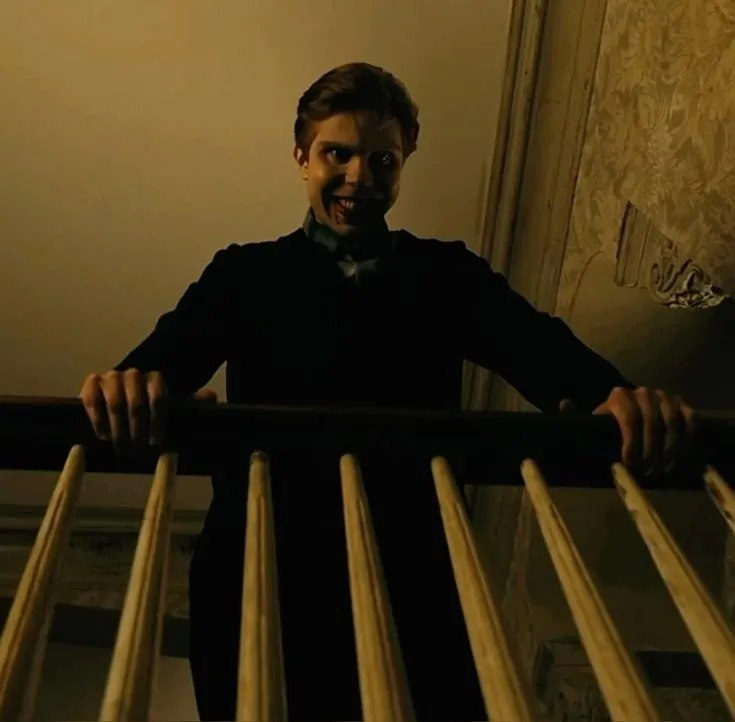
This is where the theory becomes truly disturbing. Instead of monsters being ancient creatures or external beings, they may actually be formed from human emotional residue.
That means:
- Fear becomes shape
- Trauma becomes behavior
- Memory becomes physical entity
So creatures like the kimono figure, ballerina-like presence, or even Martin’s worms could represent different emotional states that have solidified over time. This also explains why the town feels inconsistent—because it is not built on physics, but on psychology.
A key idea here is: Every death in the town doesn’t end the story—it adds another layer to it. Over time, these layers stack into what we interpret as “monsters.”
The Mirror Effect: Why the Town Creates Both Cure and Poison
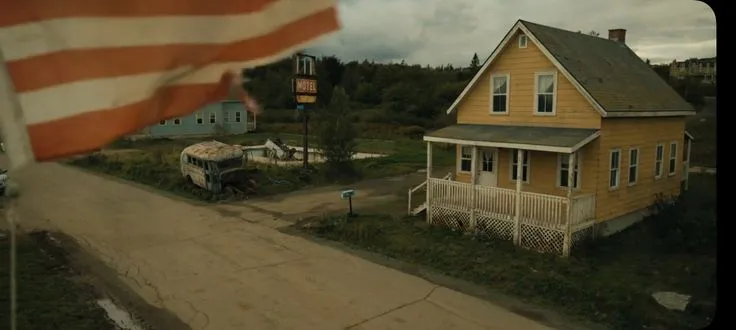
If the town reflects human consciousness, then it doesn’t just create fear—it also creates survival tools. This is where talismans come in, The theory suggests that talismans might not be ancient artifacts, but manifestations of collective human need for safety.
That means:
- Boyd’s desperation to protect people could have shaped their discovery
- The town “responded” by creating a counterforce to the monsters
- Survival tools exist because belief in survival is equally powerful
This leads to a bigger idea: the town is balanced. For every nightmare it creates, it may also generate a way to resist it.
Why Certain Characters Might Influence Reality More Than Others
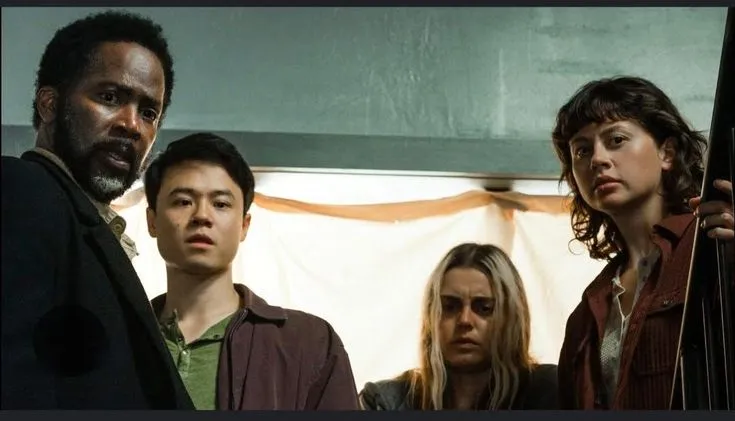
Not everyone seems to affect the town equally. This theory suggests that emotional intensity determines influence.
Some characters may act like “anchors” or “triggers”:
- Boyd’s leadership desperation may help manifest solutions like talismans
- Tabitha’s emotional connection to memory fragments may unlock past cycles
- Ethan’s imagination and obsession with stories may reshape the rules entirely
Especially Ethan, whose childlike belief system may make him more “open” to the town’s logic. In simple terms: The stronger the emotional signal, the more the town responds.
Final Thought: Is the Town Alive or Just Reflective?
If this theory is correct, then the biggest twist in From is not that the town is alive—but that it is reactive consciousness made physical.
- It doesn’t think, but it reflects thinking.
It doesn’t feel, but it converts feeling into form.
The dolls, the monsters, the talismans—they may all be different expressions of the same system: human emotion made visible and that raises the most unsettling question of all:
If fear can become a monster… what else can belief create?

?


1 comment
?